Vaccine Logistics: Keys to the Success of Vaccination Campaigns in Spain
 12 November, 2026
Summary
Vaccine logistics is the set of processes that makes it possible to store, transport, and deliver each dose under the preservation conditions required by the manufacturer. The success of a vaccination campaign in Spain depends on four key factors: planning demand in advance, maintaining the cold chain, ensuring the traceability of each batch, and complying with Good Distribution Practices (GDP).
Key Points
- A vaccination campaign requires coordinating product availability, storage capacity, territorial distribution, and delivery deadlines.
- There is no single temperature requirement: many vaccines are stored between 2°C and 8°C, while others require freezing (-20°C) or ultra-low temperature freezing (-70°C).
- The cold chain must be maintained during storage, order preparation, and transportation, with temperature monitoring and incident management.
- Traceability and compliance with GDP make it possible to monitor each batch and preserve vaccine quality until delivery.
- In Spain, the flu vaccination campaign usually begins between late September and early October, so logistics planning starts months in advance.
Every year, the vaccination campaign in Spain mobilizes a complex network of professionals, healthcare centers, and logistics operators to ensure that vaccines reach their destination under optimal conditions. Behind every dose lies a vaccine logistics process that requires planning, temperature control, traceability, and precise coordination among all stakeholders in the pharmaceutical supply chain.
The safe distribution of vaccines is an essential factor in preserving their quality and supporting the successful development of immunization campaigns. To achieve this, it is crucial to have specialized pharmaceutical logistics capable of meeting the preservation requirements of these products and responding to the demand peaks that occur during certain periods of the year.
The Importance of Logistics in Spain’s Vaccination Campaign
Vaccination campaigns require planning that goes far beyond transporting doses. It is necessary to coordinate product availability, storage capacity, territorial distribution, and delivery schedules so that each center has access to the vaccines it needs at the right time.
The influenza and COVID-19 vaccination campaign is an example of this complexity. The Ministry of Health publishes specific recommendations for each season, with vaccination criteria aimed particularly at population groups at higher risk of developing complications.
In addition to healthcare planning, operational success depends on vaccines being properly preserved and reaching their destination without incidents that could compromise their quality.
According to the 2024 Annual Report of the National Health System, prepared by the Ministry of Health, influenza vaccination coverage among people aged 65 years and over reached 67% during the 2023-2024 season.
This figure reflects the scale of vaccination campaigns and the importance of having a logistics infrastructure capable of supplying healthcare centers.
In this context, vaccine distribution plays a fundamental role: it connects pharmaceutical laboratories with different supply points and helps ensure vaccines are available when needed.
Cold Chain: An Essential Guarantee for Vaccine Preservation
Why Is Maintaining the Cold Chain So Important?
Vaccines are biological products that are sensitive to certain environmental conditions. Exposure to unsuitable temperatures may affect their stability and compromise their quality.
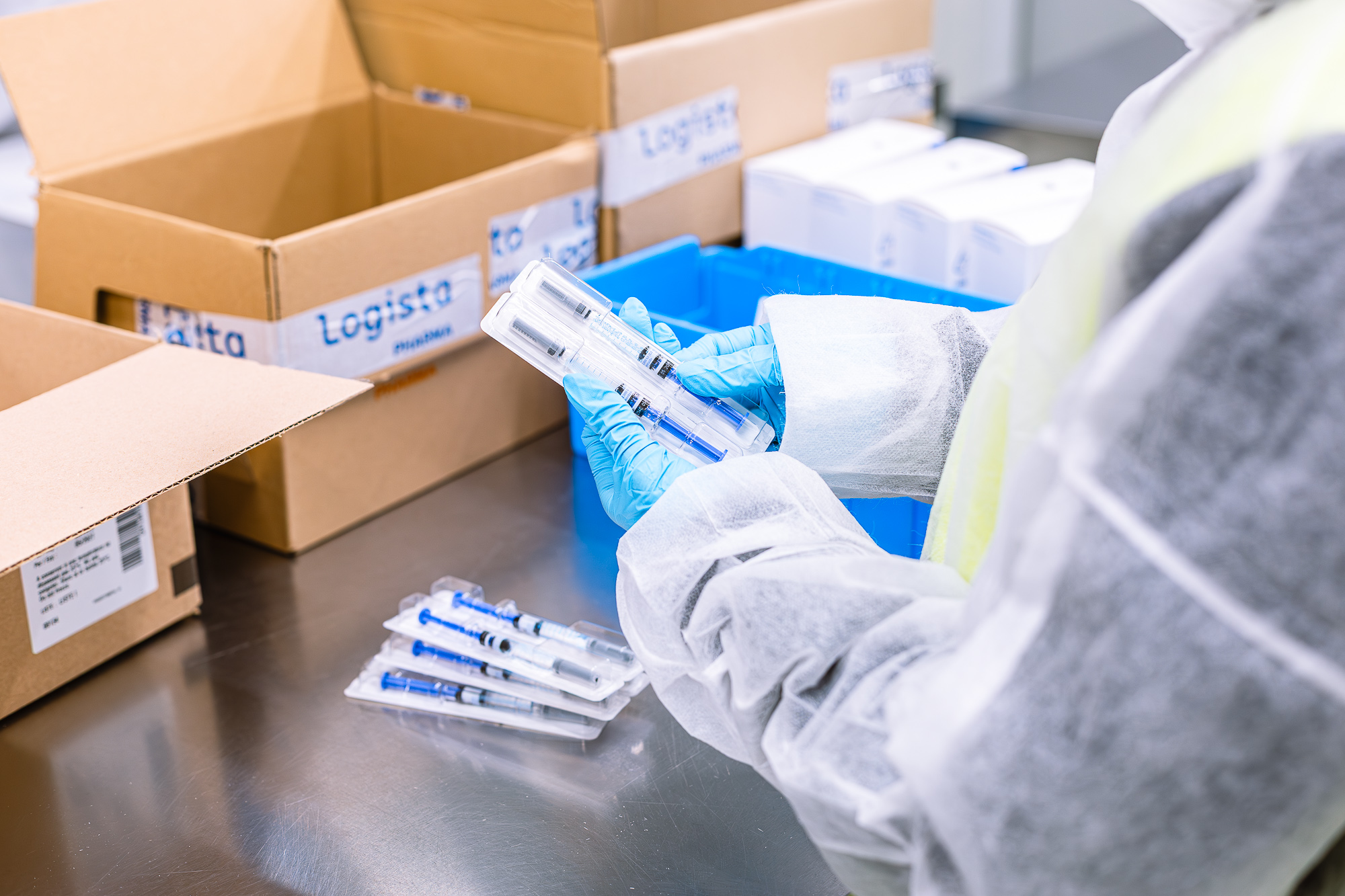
For this reason, maintaining the cold chain during storage, order preparation, and transportation is one of the main challenges of vaccine logistics.
Preservation conditions depend on the characteristics of each product and the requirements established by its manufacturer. While many refrigerated vaccines must be kept between 2°C and 8°C, others require different conditions, including freezing or ultra-low temperature freezing.
Therefore, there is no single valid temperature for all vaccines: each logistics operation must be adapted to the specific requirements of the product.
How Is Temperature Controlled During Vaccine Distribution?
To protect vaccine quality, the cold chain must be managed comprehensively. Among the most important measures are:
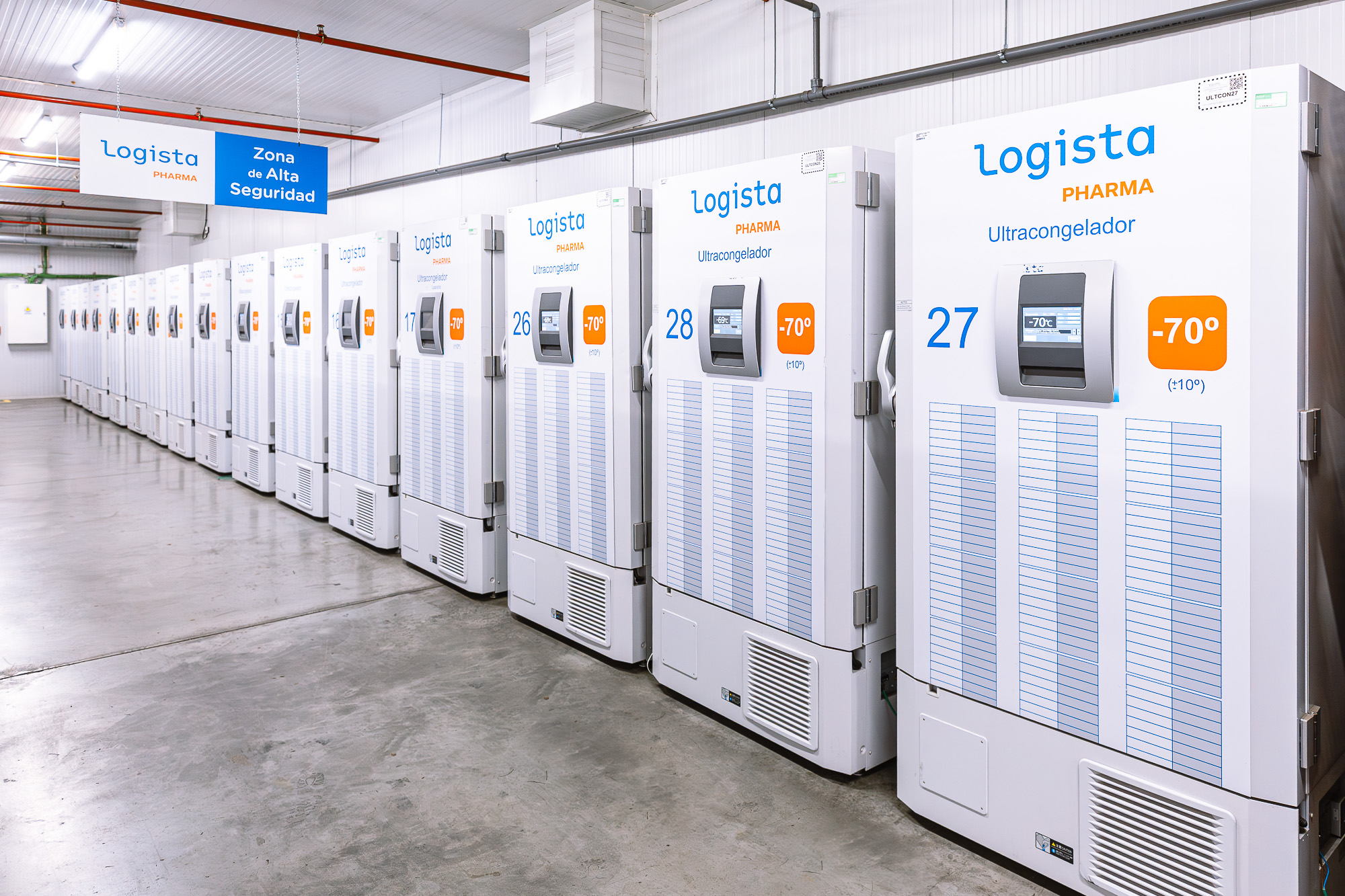
- Appropriate storage: having facilities equipped to maintain the required preservation conditions.
- Specialized transportation: using vehicles and packaging solutions suitable for the characteristics of each product.
- Temperature monitoring: using measurement and recording systems to control conditions throughout the various stages of distribution.
- Incident management: establishing procedures to respond to temperature deviations or other unforeseen events.
- Specialized personnel: ensuring that the teams involved understand the procedures and requirements applicable to the products they handle.
The combination of these measures helps reduce distribution-related risks and facilitates the detection and management of potential incidents.
Traceability and Good Distribution Practices: Keys to Safety
Vaccine safety does not depend solely on temperature. It is also necessary to maintain proper product control throughout the different stages of the supply chain.
Traceability Throughout the Logistics Chain
Traceability makes it possible to record and access relevant information about the journey of pharmaceutical products.
In vaccine distribution, having suitable tracking processes helps monitor operations, identify potential incidents, and facilitate a coordinated response when necessary.
To achieve this, it is essential to have information systems that enable the management and exchange of information among the different stakeholders in the logistics chain, contributing to greater visibility and operational control.
Compliance with Good Distribution Practices (GDP)
Good Distribution Practices (GDP) establish requirements designed to preserve the quality of medicines during distribution.
Their implementation involves having documented procedures, trained personnel, suitable facilities, and quality management systems that make it possible to control operations and respond to potential deviations.
In the case of vaccines, these requirements are particularly important due to their specific preservation needs.
For this reason, working with logistics operators specialized in the pharmaceutical sector is a key factor in managing distribution in accordance with applicable quality and safety requirements.
The Main Logistics Challenges of a Vaccination Campaign
1. Planning Demand in Advance
Planning for a vaccination campaign begins months before its implementation. In the case of influenza, the World Health Organization (WHO) recommends the strains that should be included in the vaccine for the upcoming season, allowing manufacturers to begin production and prepare supply well in advance.
From that point onward, it is essential to anticipate supply needs, forecast storage capacity, and allocate transportation resources to meet demand across each territory. Proper logistics planning makes it possible to manage activity peaks and coordinate deliveries so that vaccines are available when the campaign begins, which in Spain usually occurs between late September and early October.
2. Managing Demand Peaks
During periods of peak activity, logistics operators must increase their preparation and transportation capacity without compromising quality standards.
This requires operational flexibility, resource availability, and coordination among laboratories, distributors, and destination centers.
The ability to adapt routes and resources to the evolution of the campaign is especially important when different vaccination campaigns take place simultaneously.
3. Coordinating Distribution Across Different Supply Points
Hospitals, healthcare centers, and other vaccination sites may have different needs and schedules.
Therefore, it is essential to organize deliveries by considering requested volumes, locations, deadlines, and specific preservation requirements.
A well-coordinated distribution network makes it possible to manage orders efficiently and facilitate the supply of different delivery points.
4. Responding to Incidents Without Compromising Quality
Temperature deviations, transportation delays, or changes in demand require clearly defined response procedures.
The availability of information, communication among teams, and the ability to reorganize resources are fundamental elements in managing these situations.
Ultimately, safe distribution requires both preventive measures and response mechanisms for potential unforeseen events.
Safe Vaccine Distribution Begins with Specialized Logistics
Ensuring the safe distribution of vaccines in Spain requires much more than simply having a transportation network. It is necessary to integrate cold chain management, traceability, compliance with quality requirements, and planning capable of adapting to the needs of each campaign.
At Logista Pharma, we contribute to this objective through specialized pharmaceutical distribution solutions, temperature-controlled transportation, and cold chain management services tailored to the needs of each product
Frequently Asked Questions About Vaccine Logistics
Through appropriate logistics planning, maintaining the preservation conditions established for each product, and controlling operations throughout the supply chain. Temperature monitoring, traceability, and compliance with GDP are fundamental elements for preserving vaccine quality until delivery at vaccination points.
The cold chain is the set of procedures, facilities, and transportation methods that allow vaccines to be maintained within the temperature conditions specified for each product. Proper management during storage and distribution helps preserve vaccine stability and quality.
There is no single temperature for all vaccines. Preservation conditions depend on the specifications established by the manufacturer and described in the Summary of Product Characteristics (SmPC) for each product.
Although many vaccines must be kept between 2°C and 8°C, others may require controlled freezing (-20°C) or even ultra-low temperature freezing (-70°C). Therefore, transportation must be carried out using temperature-controlled systems capable of maintaining the specific conditions required by each vaccine throughout the entire journey.
A temperature deviation may compromise the quality of a vaccine, although the consequences depend on the product, the temperature reached, and the duration of exposure.
In the event of an incident, established procedures must be followed, the event must be documented, and an assessment should be requested from the responsible parties before deciding whether the vaccine can be used.
Traceability makes it possible to know the complete journey of each batch throughout the supply chain. Thanks to traceability, it is possible to monitor operations, manage incidents, facilitate quality controls, and ensure a greater level of safety during distribution.
GDP are a set of requirements aimed at preserving the quality and integrity of medicines during distribution. They include aspects such as quality management, staff training, facility suitability, control of preservation conditions, and the documented management of incidents.