Sustainable pharmaceutical logistics: how to reduce emissions
 11 September, 2026
Strategies used in medicine distribution
Sustainability has become a strategic priority for the pharmaceutical industry. Pharmaceutical companies are setting increasingly ambitious ESG targets and are looking for partners capable of helping to reduce emissions throughout the supply chain.
In this context, sustainable pharmaceutical logistics plays a key role. For any pharmaceutical company, choosing a pharmaceutical distribution company committed to the environment is now a key decision-making criterion. Medicine distribution must guarantee product quality, traceability and safety, while also offering significant opportunities to reduce environmental impact through process optimisation, energy efficiency and technological innovation.
What is sustainable pharmaceutical logistics?
Sustainable pharmaceutical logistics involves integrating environmental criteria into every stage of the supply chain, from storage to transport and final distribution.
Its aim is to minimise the logistics carbon footprint through initiatives that optimise resources, reduce energy consumption and lower emissions associated with logistics operations, without compromising the quality standards required by the pharmaceutical sector.
Achieving this requires action across different areas, including facilities, transport, packaging and process digitalisation. This commitment forms part of Logista’s sustainability strategy.
Key measures to reduce the carbon footprint of pharmaceutical distribution
Transport optimisation
Transport is one of the main sources of emissions in the logistics chain. Proper route planning and efficient load management can therefore reduce the number of kilometres travelled, optimise deliveries and improve vehicle utilisation.
In addition to reducing the logistics carbon footprint, these measures help improve operational efficiency and service quality as part of our integrated logistics service.
Sustainable vehicles to drive decarbonisation
The progressive introduction of more sustainable vehicles and transport solutions is another cornerstone of sustainable pharmaceutical distribution.
At Logista, we work to accelerate transport decarbonisation by optimising routes and using more efficient mobility solutions, thereby helping to reduce the environmental impact associated with each shipment.

Energy efficiency in facilities
Energy efficiency in pharmaceutical warehouses is a fundamental element of any sustainability strategy.
The use of more efficient technologies, energy-monitoring systems, low-consumption lighting and optimised processes reduces resource consumption while maintaining the conditions required to ensure the proper preservation of pharmaceutical products.
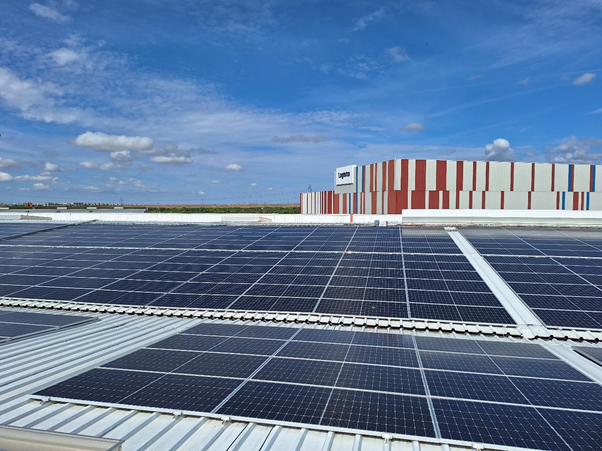
At Logista Pharma, we continuously promote initiatives aimed at improving the energy efficiency of our facilities and operations, contributing to more responsible and sustainable supply chain management. A good example is our new Subirats logistics platform.
Renewable energy and emissions reduction
The transition to renewable energy sources can significantly reduce emissions associated with the operation of warehouses and logistics platforms.
We therefore support the use of renewable energy as part of our sustainable pharmaceutical logistics strategy, combining it with energy-efficiency measures that enable a gradual reduction in the environmental impact of our activities.
Robotisation and automation
Automation has become a key factor in improving the efficiency and sustainability of logistics operations.
Robotisation makes it possible to optimise workflows, improve space utilisation, reduce unnecessary movements and increase productivity, while also contributing to more efficient use of energy resources.
At Logista Pharma, technological innovation and automation are part of our commitment to green pharmaceutical logistics that combines efficiency, operational capacity and sustainability.
Eco-responsible packaging
Packaging also plays an important role in reducing the environmental impact of the supply chain.
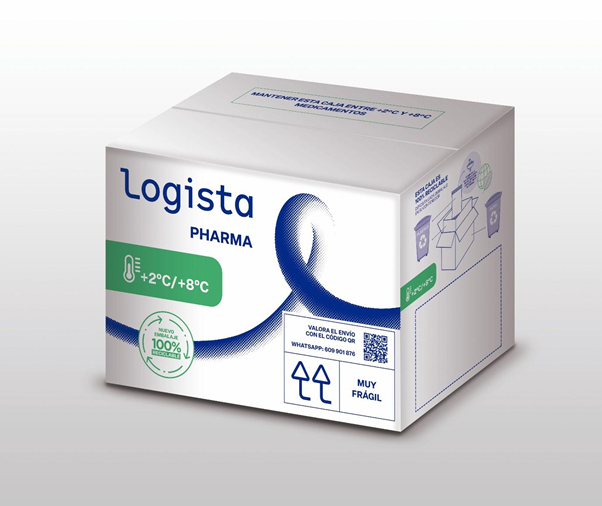
At Logista Pharma, we use eco-responsible packaging designed to optimise material use and reduce waste, while always ensuring the protection and preservation of medicines during transport.
Logista Pharma’s commitment to more sustainable logistics
Sustainability does not depend on a single action, but on a comprehensive strategy covering the entire logistics operation.
At Logista Pharma, we therefore work to integrate sustainability criteria into our operations through the use of renewable energy, eco-responsible packaging, more sustainable vehicles, energy-efficiency projects, and robotisation and automation solutions.
These initiatives enable us to progress towards becoming a sustainable pharmaceutical distribution company, helping our customers meet their ESG targets and build more efficient, resilient and environmentally responsible supply chains.
Sustainability as a competitive advantage
Sustainable pharmaceutical logistics is no longer solely an environmental matter. It is also an opportunity to improve operational efficiency, optimise resources and respond to the market’s growing sustainability expectations.
Working with a specialised logistics operator that combines innovation, efficiency and environmental commitment enables pharmaceutical companies to move towards more sustainable distribution models without compromising the highest levels of quality, safety and service. This approach is particularly relevant to sustainability in the hospital environment.
FAQ´S
Sustainable pharmaceutical logistics involves applying environmental and efficiency criteria to every stage of the medicine supply chain, from storage and order preparation to transport and distribution. Its aim is to reduce the environmental impact of operations without compromising the quality, safety or regulatory compliance required by the pharmaceutical sector.
The logistics carbon footprint can be reduced by optimising transport routes, using more sustainable vehicles, adopting renewable energy, improving the energy efficiency of facilities, automating processes and using eco-responsible packaging that enables resources to be used more effectively.
Sustainability is becoming increasingly important to pharmaceutical companies due to their ESG commitments and growing regulatory and societal expectations. A sustainable pharmaceutical distribution strategy helps reduce emissions, optimise operating costs, improve supply chain efficiency and strengthen corporate reputation.
Robotisation optimises operational workflows, reduces unnecessary movements, improves space management and increases the energy efficiency of facilities. It also increases productivity, precision and traceability, contributing to more efficient and sustainable logistics.